
Distributed Generation: Powering Africa’s Energy Future – But Are We Ready?
As distributed generation accelerates across Africa, utilities and regulators are strengthening the policies, skills and technical capacity needed to safely integrate rooftop solar while building resilient, reliable and financially sustainable electricity networks.
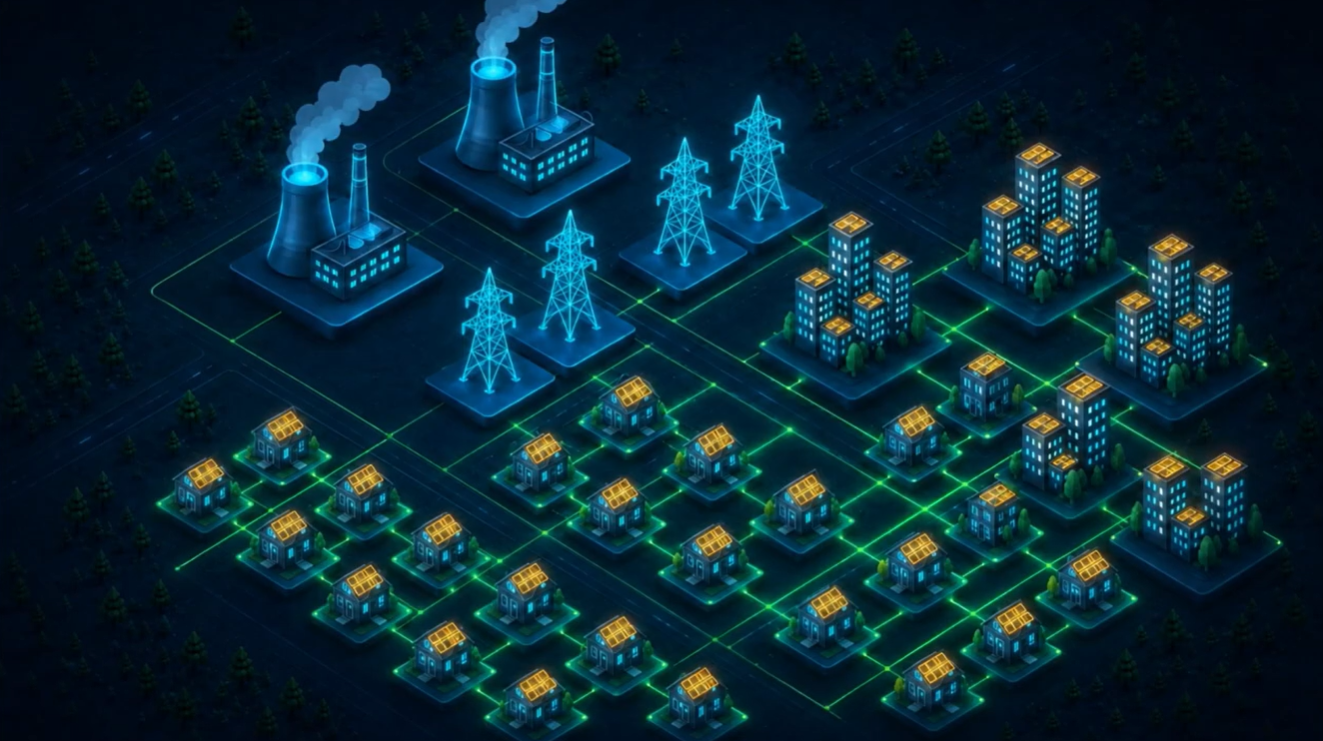
Africa has some of the world’s greatest solar energy potential, and the technology to harness it has never been more affordable. Across the continent, households, businesses and industries are installing rooftop solar systems to generate their own electricity and, increasingly, feed surplus power back into the grid.
The growing adoption of these systems, known as Distributed Generation (DG) or Embedded Generation (EG), is transforming how electricity systems operate. It presents great opportunities for cleaner, more resilient energy systems, but it also introduces new technical, regulatory and operational challenges.
The question is no longer whether Africa should embrace Distributed Generation. It is how utilities, regulators and policymakers can manage its rapid growth while maintaining safe, reliable and financially sustainable electricity networks.
A New Reality for Electricity Networks
Most electricity grids were designed for one-way power flow: electricity generated at large power stations and delivered to customers.
Distributed generation changes that model. Electricity can now flow in both directions, from customers back into the network. While this supports greater renewable energy adoption, it also requires utilities and regulators to rethink how they plan, operate and manage their distribution systems.
The Key Challenges
Successfully integrating Distributed Generation requires addressing several critical challenges:
- Two-way power flows: Utilities need smarter systems and upgraded infrastructure to manage electricity flowing both to and from customers.
- Grid stability: Registering DG systems and ensuring the use of grid-compliant equipment helps maintain voltageand frequency within limits, ensuring network stability and reliability.
- Safety: Proper installation standards, certified equipment and qualified installers are essential to protect utility workers and the public.
- Utility revenue: As customers generate more of their own electricity, new tariff structures are needed to ensure utilities can continue maintaining the electricity network.
- Skills and capacity: Engineers, regulators and installers require specialised training to manage increasingly decentralised electricity systems.
Unlocking the Benefits
When managed well, DG delivers benefits for everyone.
Customers gain access to more reliable and potentially lower-cost electricity. Utilities can reduce network losses and defer costly infrastructure investments by making better use of privately funded generation. At the same time, countries can accelerate their renewable energy ambitions and strengthen energy security.
Realising these benefits depends on having the right policies, regulations and technical standards in place before large-scale deployment occurs.
Building Capacity Across Africa
The Policy Catalyst Distributed Generation Support Program implemented by GET.transform and Sustainable Energy Africa, in partnership with the Quadrature Climate Foundation (QCF), African Forum for Utility Regulators (AFUR), and the Association of Power Utilities of Africa (APUA) is helping African utilities and regulators prepare for this transition by strengthening technical capacity, sharing practical experience and promoting collaboration between countries.
By learning from one another, participating regulators and utilities can avoid common challenges, develop effective regulatory frameworks and build electricity systems that are ready for a cleaner, more decentralised future.
Looking Ahead
Distributed Generation is already reshaping Africa’s energy landscape. Managing this transition successfully will require collaboration between governments, regulators, utilities and the private sector.
With the right policies, technical expertise and partnerships in place, distributed generation can help deliver a more resilient, affordable and sustainable energy future, one where clean energy benefit both customers and electricity networks alike.